If you’re looking for a magical and memorable treat this March, leprechaun punch is the perfect addition to your St. Patrick’s Day celebration! This simple, kid-friendly drink doubles as a hands-on activity and a meaningful writing opportunity for your students.
What Is Leprechaun Punch?
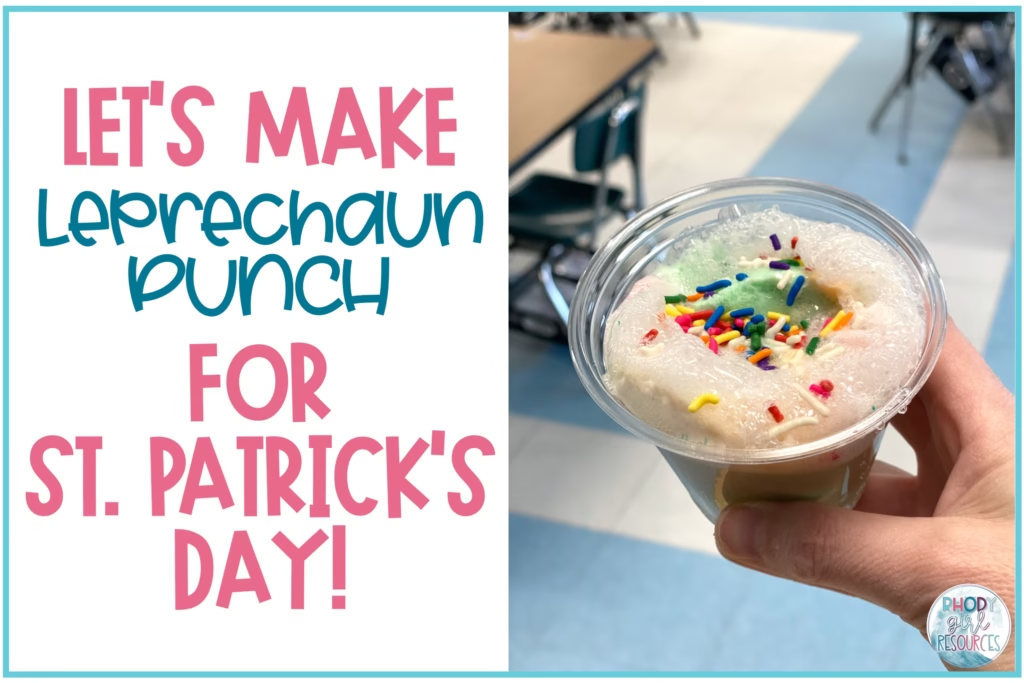
Leprechaun punch is a festive green drink made with sherbet and a fizzy base like Sprite or lime-flavored water. Topped with sprinkles, it looks like a magical potion! Best of all, it’s quick to prepare and easy for little learners to help make.
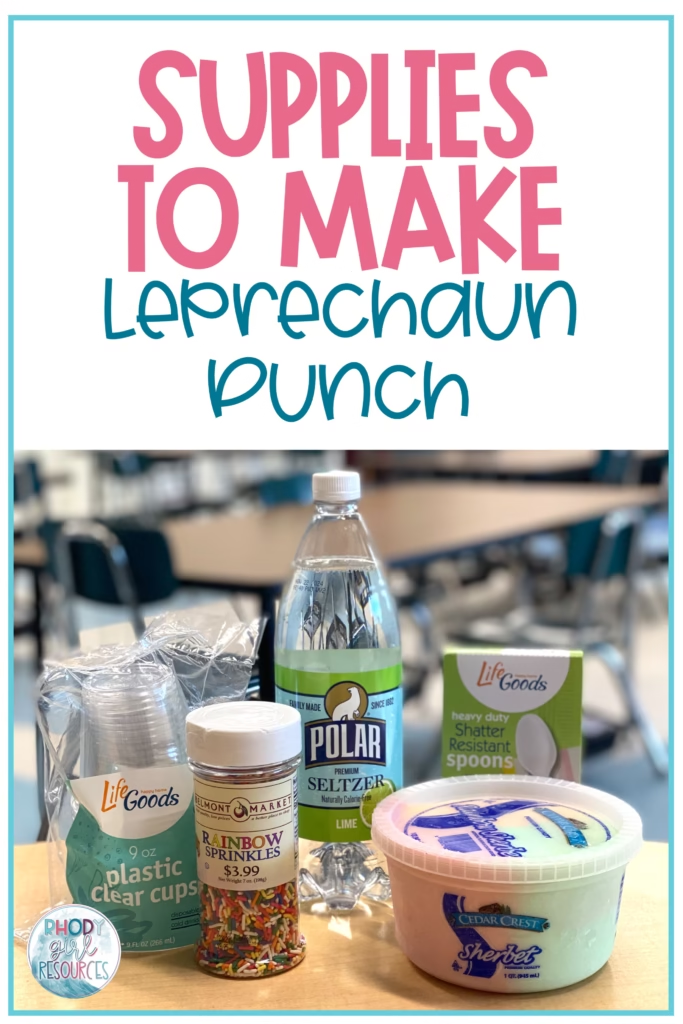
This punch only needs a few ingredients. This is a great opportunity to ask for donations and get families involved, too!
Supplies for Leprechaun Punch
To make leprechaun punch with your students, you’ll need:
- Lime or rainbow sherbet
- Sprite or lime-flavored water
- Green or rainbow sprinkles
- Cups
- Spoons or straws
Using clear cups lets students see the fizzing reaction as the liquid mixes with the sherbet, adding an element of excitement and observation!
How to Make Leprechaun Punch
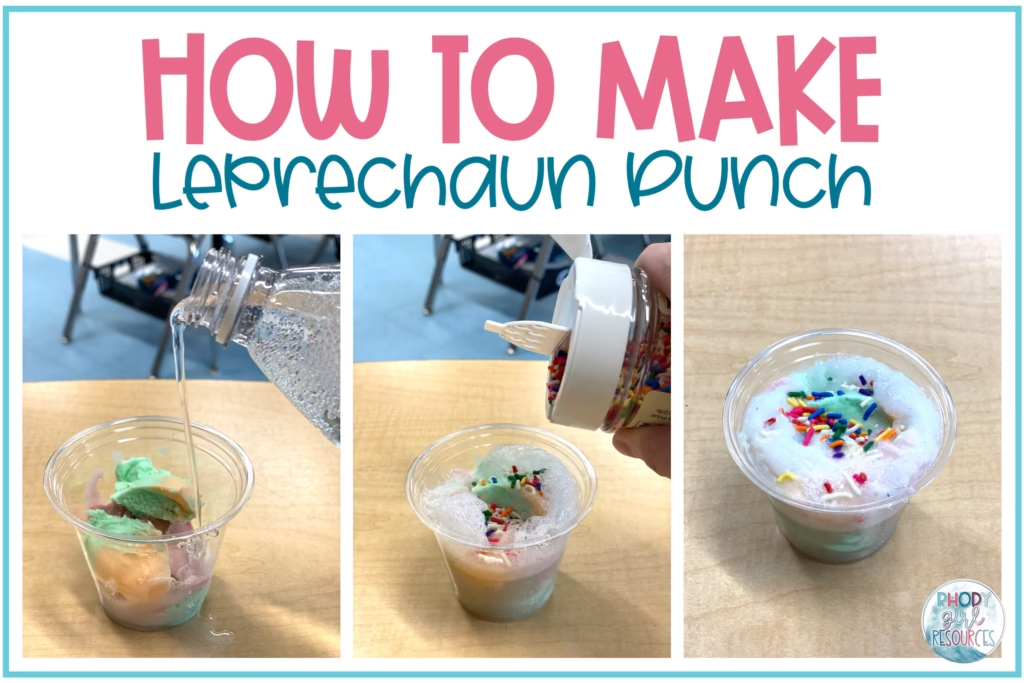
Follow these simple steps to create your punch:
- Place one scoop of sherbet into each cup.
- Slowly pour Sprite or lime-flavored water over the sherbet.
- Watch the fizz and foam form at the top.
- Top with festive sprinkles.
That’s it! Your leprechaun punch is ready to serve. Enjoy it with a spoon or straw.
Skills Supported by This Activity
Using leprechaun punch as part of your St. Patrick’s Day lesson supports:
- Sequencing skills
- Procedural (how-to) writing
- Oral language development
- Fine motor skills through drawing and writing
- Following multi-step directions
It also makes learning feel magical — which is always a win in early childhood classrooms!
Sequencing and How-to Writing
Making this punch isn’t just fun — it’s also the perfect opportunity to practice how-to writing. How-to writing (also called procedural writing) is an essential skill in the elementary classroom. Activities like making leprechaun punch give students a real-life experience they can write about, which makes the writing process more meaningful and less abstract. Students physically scoop the sherbet, pour the drink, and add toppings, allowing them to mentally replay the steps as they write. This connection between action and writing strengthens comprehension and retention.
After making the punch together, gather students to work on writing. This can be a shared writing opportunity or a chance for students to explore and try their own how-to writing.
Shared Writing
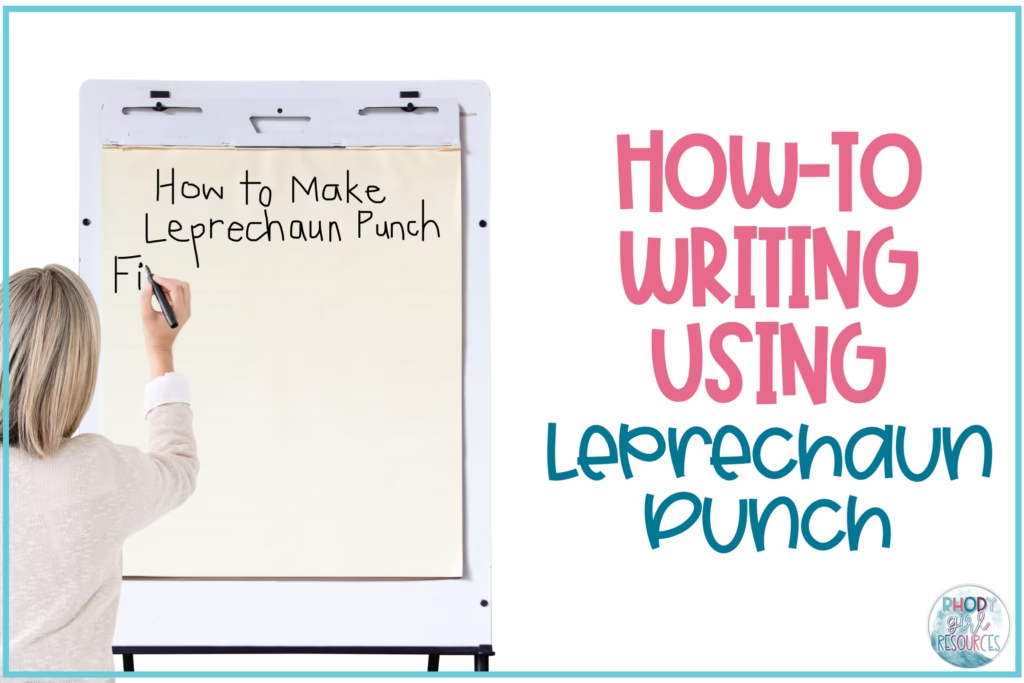
Shared writing is a strategy in which the teacher and students collaborate to generate a piece of writing. This is your chance to model shared writing to your early learners. Model thinking aloud and gathering input from students through questioning, such as, “What did we do first?” The teacher guides the writing and models correct sentence formation. They may even “share the pen” with students to help spell specific sounds or words. This can be completed on chart paper or an interactive whiteboard. This activity will help students understand that print carries meaning.
How-to Writing
While gathered, discuss the steps students followed to make their punch. Turn and talk is an easy way for students to share their steps orally, preparing them to write. Have students focus on using transition words such as first, next, then, and last. Afterward, provide students with the paper you can grab in the freebie at the end of this post, where they will write and illustrate the steps for making leprechaun punch.
Are you ready to try leprechaun punch in your classroom? Save this idea for March and watch your students light up with excitement — and grow as writers at the same time.
If you are looking for more St. Patrick’s Day fun, check out these blog posts: St. Patrick’s Day Minute to Win It Games or How to Make Leprechaun Rocks, and resources.


Leave a Reply